01
Makeup Tips
Eyeshadow placement, blending techniques, and common mistakes to avoid for a more open, lifted look.
Explore →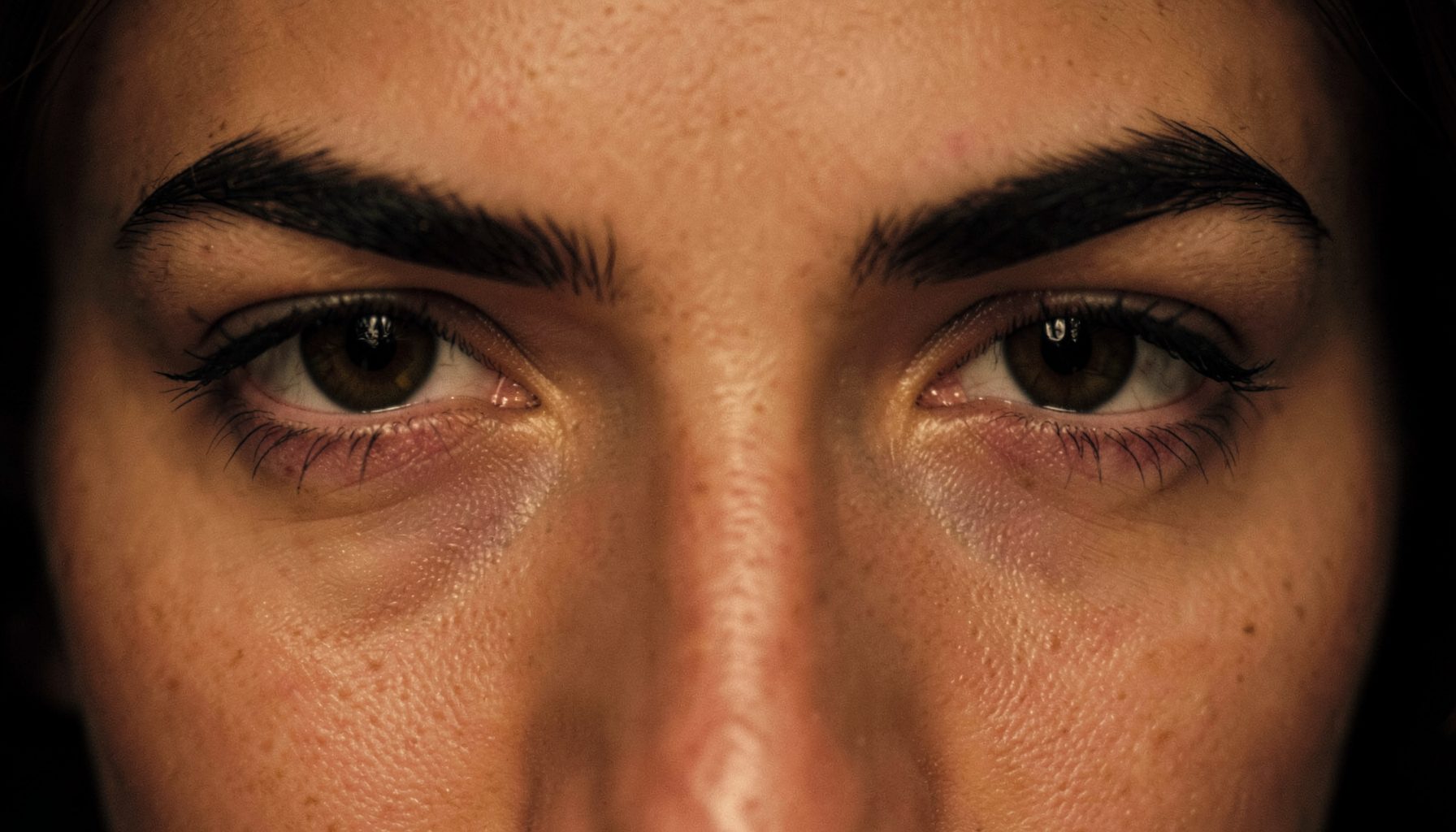
Eye Shape Guide
Understand your eye shape, master makeup techniques, and explore every treatment option — from Botox brow lifts to surgical solutions.
Explore the Site
Eyeshadow placement, blending techniques, and common mistakes to avoid for a more open, lifted look.
Explore →Winged liner, smudge prevention, and techniques that work with hooded lids to make eyes appear larger.
Explore →Non-surgical Botox brow lifts and surgical options including blepharoplasty, explained clearly.
Explore →Five false lash styles suited to hooded eyes, plus curler and mascara guidance for maximum lift.
Explore →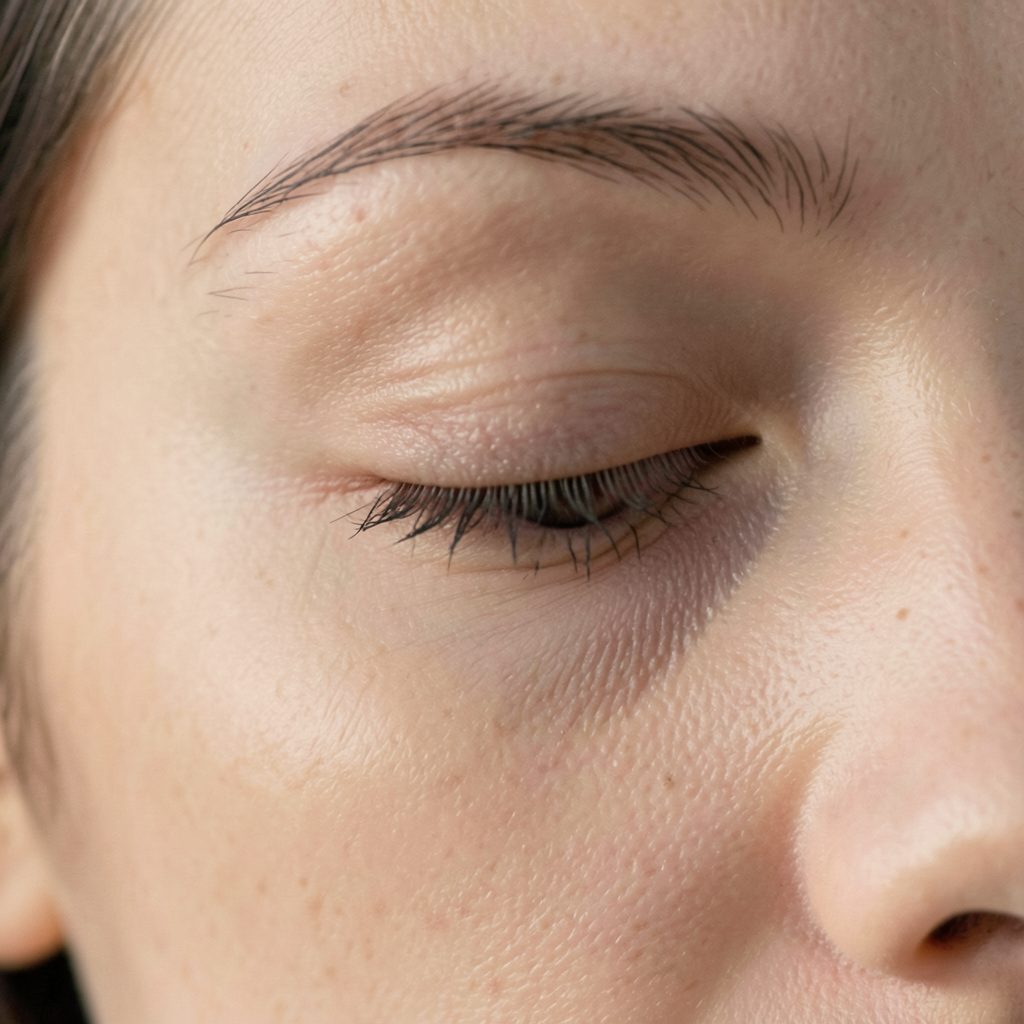
What Are Hooded Eyes?
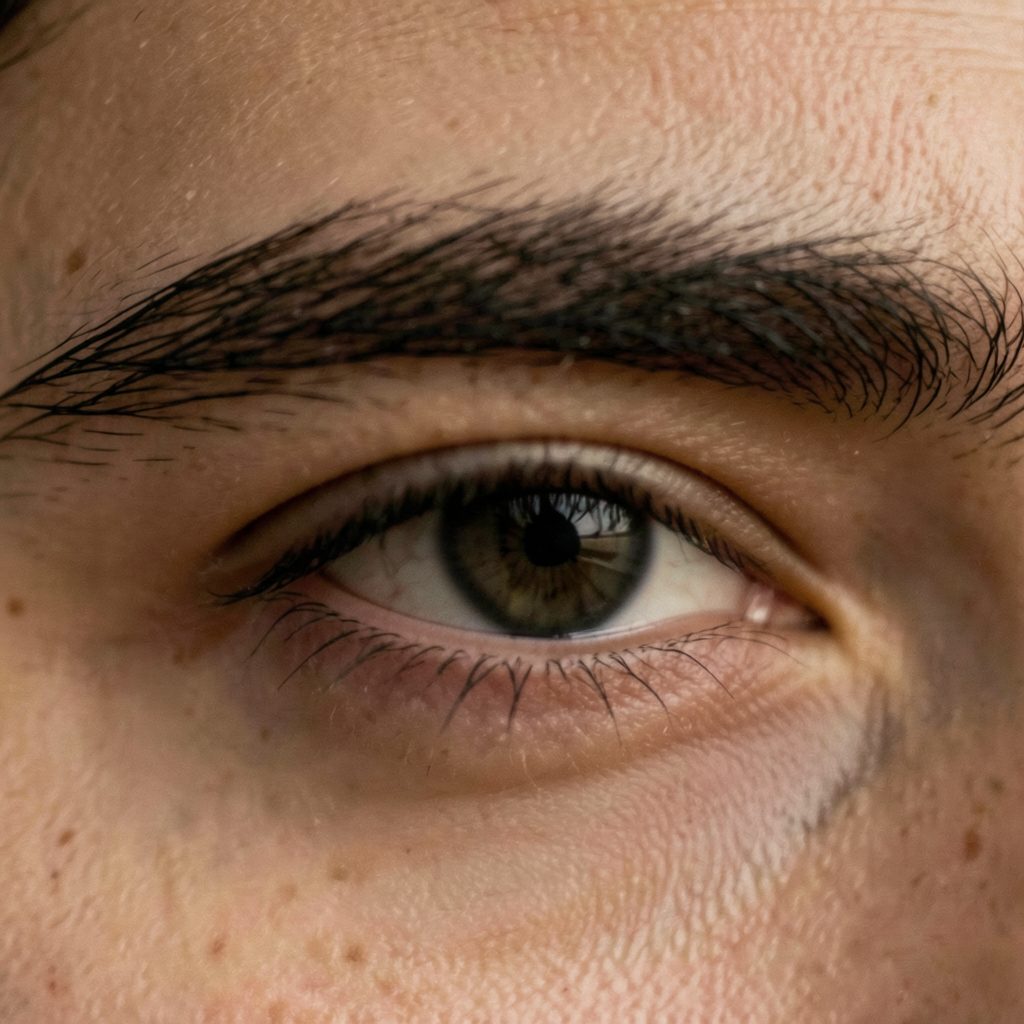
Hooded eyes are a natural eye shape where an excess piece of skin from the brow bone partially or completely covers the eyelid. The result can make eyes appear smaller or more tired than they feel.
This shape can be present from birth due to genetics, or it can develop over time. Known causes include aging, genetic traits, eye rubbing, body fatness, muscle structure, trauma, solar radiation, and sleep apnea.
The most common mistakes people make when applying makeup to hooded eyes usually begin with treating the hidden crease as the main workspace. On a hooded lid, that space can vanish when the eye opens, leaving a heavy smudge instead of definition. The useful approach is to place colour where it remains visible without trying to manufacture an open crease.
Hooded eyes occur when the upper-lid fold sits lower over the mobile lid. Genetics, ageing, brow descent and changes in the tissues around the eye can all contribute. Some people retain a narrow strip of visible lid; others have a deeper set or pronounced fold, so two people described as hooded may need very different placement.
The aim is not to make the eye look a different shape at every angle. Soft definition, lifted-looking lashes and a supported brow can work with the anatomy. A sharp cut crease or heavy black line often does the opposite, because the eye reads it as extra weight beneath the fold.
Photos, filters and overhead bathroom lighting can make lid space look larger than it is. Check the look in daylight, straight on and from slightly above, as this is how small placement changes affect the visible lid. This is especially useful in Australian conditions, from strong outdoor light to air-conditioned rooms and humid weather.
Understanding the distinction matters because a crease that is merely obscured needs visual emphasis above the fold, whereas a monolid has little or no crease to define. Deep-set eyes sit farther back within the socket, and downturned outer corners need a different liner direction. These features can coexist, so labels are guides rather than diagnoses.
| Eye shape | Main feature | Common makeup trap | More useful placement |
|---|---|---|---|
| Hooded | Upper fold covers part or all of the crease | Filling the hidden crease with dark colour | Diffuse colour above the fold and keep lid detail restrained |
| Monolid | Little or no visible crease | Drawing a hard line where no crease exists | Use low-contrast colour across the mobile lid |
| Deep-set | Lid appears recessed within the socket | Overloading the outer corners with shadow | Highlight the centre and soften the outer edge |
| Downturned | Outer corner slopes below the inner corner | Extending a long horizontal wing | Use a short, slightly lifted flick |
Compare the categories before copying a technique. A method that works on a monolid can create a false crease on a hooded lid, while a strong wing can make a downturned eye appear lower. Look at which part of the mobile lid is genuinely visible when your brow is in a neutral position, rather than when you are deliberately raising it.
A translucent matte transition shade is usually the safest starting point for a hooded eye. Sweep it from the outer corner into the brow-bone area, allowing the deepest colour to meet the upper edge of the visible fold. Colour placed deep in the crease may disappear when the eyelid lowers, making it difficult to judge the result.
A sharply drawn cut crease can make the fold look heavier, especially in photographs. Keeping edges diffused gives the eye more apparent space without adding a hard line. For a controlled smoky result, the soft smokey eye guide explains how to keep depth below the fold while blending above it.
Matte products are not automatically more flattering, particularly if they emphasise dry texture. In Sydney’s humid summers, an oil-free eye base and a small amount of translucent powder may reduce sliding. Melbourne’s dry indoor heating can encourage people to over-powder, so a light satin shade often looks fresher than a uniformly matte lid.
Eyeliners should follow the lash line rather than the concealed crease. A thin upper line with a small outward flick can make the eye look more open, but a long horizontal wing reinforces the direction of the fold. Avoid filling the entire upper crease with black pencil, and do not line the lower waterline, where product can irritate the eye and encourage smudging.
Brow shape can visually support the upper lid without changing the lid itself. Grooming the tail upward and adding restrained depth beneath the arch helps, but a sharply arched or blocky brow can compete with the eye. Let the brow’s natural direction guide the result instead of trying to create a high, frozen arch.
Lashes need enough length and curl to remain visible beyond the fold. A roundup of the best hooded eye lashes compares lengths, curls and band widths for this reason; shorter, angled styles often suit a low upper lid better than very long styles with a heavy base. Add mascara from the roots, wiggle the wand, then curl after it dries. In Perth’s intense UV, a waterproof mascara, sunglasses and broad-spectrum sunscreen on the surrounding skin are sensible additions; keep sunscreen away from the eyelid margin.
One reliable sequence starts with a clean, lightly primed lid, moves to the brow bone, and leaves the crease alone unless it remains visible. It also keeps the darkest colour near the lashes, where the eye reads definition most clearly.
Australian beauty shoppers can build this routine with Canmake, an Australian label widely available through Priceline, while Chemist Warehouse and Sephora Australia offer many pharmacy and international alternatives. Prices are quoted in Australian dollars, and multipurpose palettes can be a flexible choice for beginners. Adelaide’s dry summers and Melbourne’s windy days make it worth choosing primer and setting spray for the forecast rather than treating a fixed routine as universal.
Makeup is usually the first option, but a brow lift may be discussed when low brow position contributes to hooding. Cosmetic Botox can temporarily relax muscles around the brow, raising the arch or tail slightly. It does not remove excess lid skin, and the result varies. An overly low brow injection may cause heaviness, eyelid spasm or temporary ptosis, so an experienced injector should assess the entire eyelid and forehead.
Upper-blepharoplasty is a different intervention. This surgery can remove excess upper-lid skin and, when appropriate, protruding fat, creating a clearer lid-to-crease transition. A detailed guide to blepharoplasty for hooded eyes explains the procedure and recovery further. Risks include bleeding, infection, scarring, asymmetry, dry eye, reduced eyelid closure and ptosis; anaesthesia and individual healing also affect the outcome.
Preparation and aftercare matter as much as the technique. Clinics review medical history, medicines, previous eye surgery and realistic goals, then provide written consent and postoperative instructions. Contact lenses, eye makeup and strenuous activity may need to be avoided for a period; many upper-blepharoplasty protocols advise roughly one to two weeks without lenses or cosmetics, but the surgeon’s directions take priority. Purely cosmetic procedures are usually self-funded, and Medicare rebates are uncommon. In Sydney and Melbourne, check AHPRA registration, specialist credentials and whether the clinic has a clear emergency plan, cost schedule and revision policy.
The most useful routine is the one that survives blinking, humidity and a full day of wear. Keep the lid softly defined, lift the outer lashes, support the brow and let the upper fold remain part of the expression rather than treating it as a flaw.
Use this guide as a clear test: choose one transition placement, one liner shape and one lash style, then wear them for a full day before adding more. Keep the products that make the eye look brighter and open, remove anything that creates a heavy shadow, and repeat the same steps when you next shop or arrange a treatment consultation.
Surgical Option
For those seeking a more lasting result, plastic surgery — including blepharoplasty — is covered as a treatment option for hooded eyes. Surgery addresses the excess skin directly and is considered an alternative to non-surgical approaches like Botox.
The site's surgery guide explains the procedure, what to expect, and how it compares to non-surgical routes, helping readers make informed decisions about their options.
Read the Surgery Guide →Famous Faces
Hooded eyes can enhance facial expressions and contribute to a distinctive, memorable look. These ten well-known figures all share the eye shape.
Jennifer Aniston
Leonardo DiCaprio
Solange Knowles
Taylor Swift
Michelle Williams
Robert Pattinson
Blake Lively
Selena Gomez
Gigi Hadid
Benicio del Toro
Side by Side
False Lash Guide
Varied length spikes create texture and the illusion of depth without weighing down the lid.
Longer outer-corner lashes draw the eye outward and upward, counteracting the hood effect.
A uniform, moderate length that adds definition without overwhelming a hooded lid.
Applied only to the outer half, these open up the eye shape and are easier to manage on hooded lids.
A strong upward curl (D or L curl) lifts lashes away from the hood, keeping them visible throughout the day.
The guide also covers lash curlers, mascara recommendations, and step-by-step instructions for fixing false lashes on hooded eyelids.
Full Lash Guide →Get in Touch
Whether you are just beginning your makeup journey or have been experimenting with different looks for years, we are glad you are here.
General Feedback
Share your thoughts on the site or suggest topics you'd like covered.
Looking for a Specific Tip?
Ask about a particular technique or eye-shape challenge.
Product Questions
Questions about products mentioned across the site.
Human Resources or Business Inquiries
Partnership, collaboration, or business-related correspondence.