01
Makeup Tips
Eyeshadow placement, blending techniques, and common mistakes to avoid for a more open, lifted look.
Explore →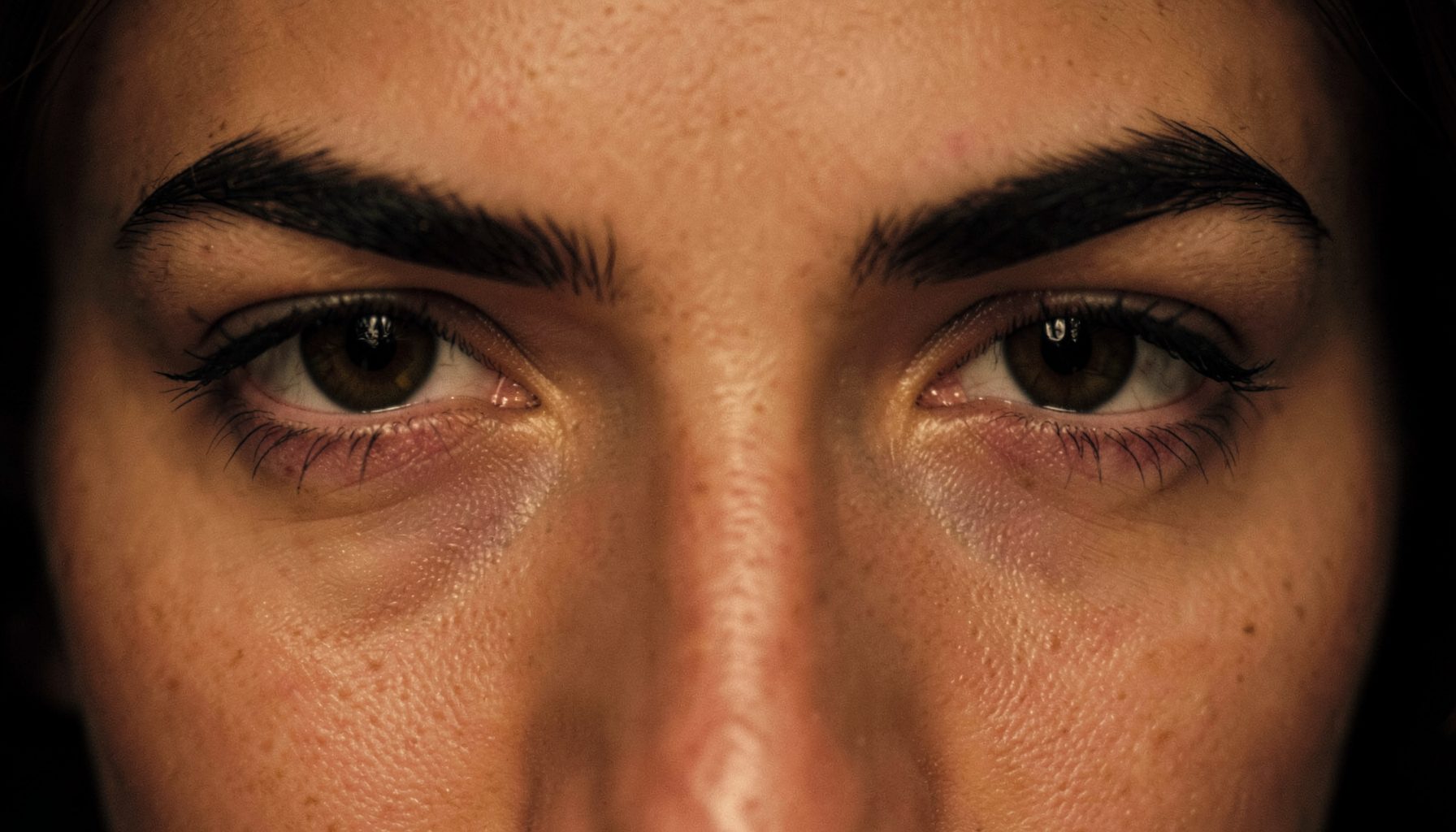
Eye Shape Guide
Understand your eye shape, master makeup techniques, and explore every treatment option — from Botox brow lifts to surgical solutions.
Explore the Site
Eyeshadow placement, blending techniques, and common mistakes to avoid for a more open, lifted look.
Explore →Winged liner, smudge prevention, and techniques that work with hooded lids to make eyes appear larger.
Explore →Non-surgical Botox brow lifts and surgical options including blepharoplasty, explained clearly.
Explore →Five false lash styles suited to hooded eyes, plus curler and mascara guidance for maximum lift.
Explore →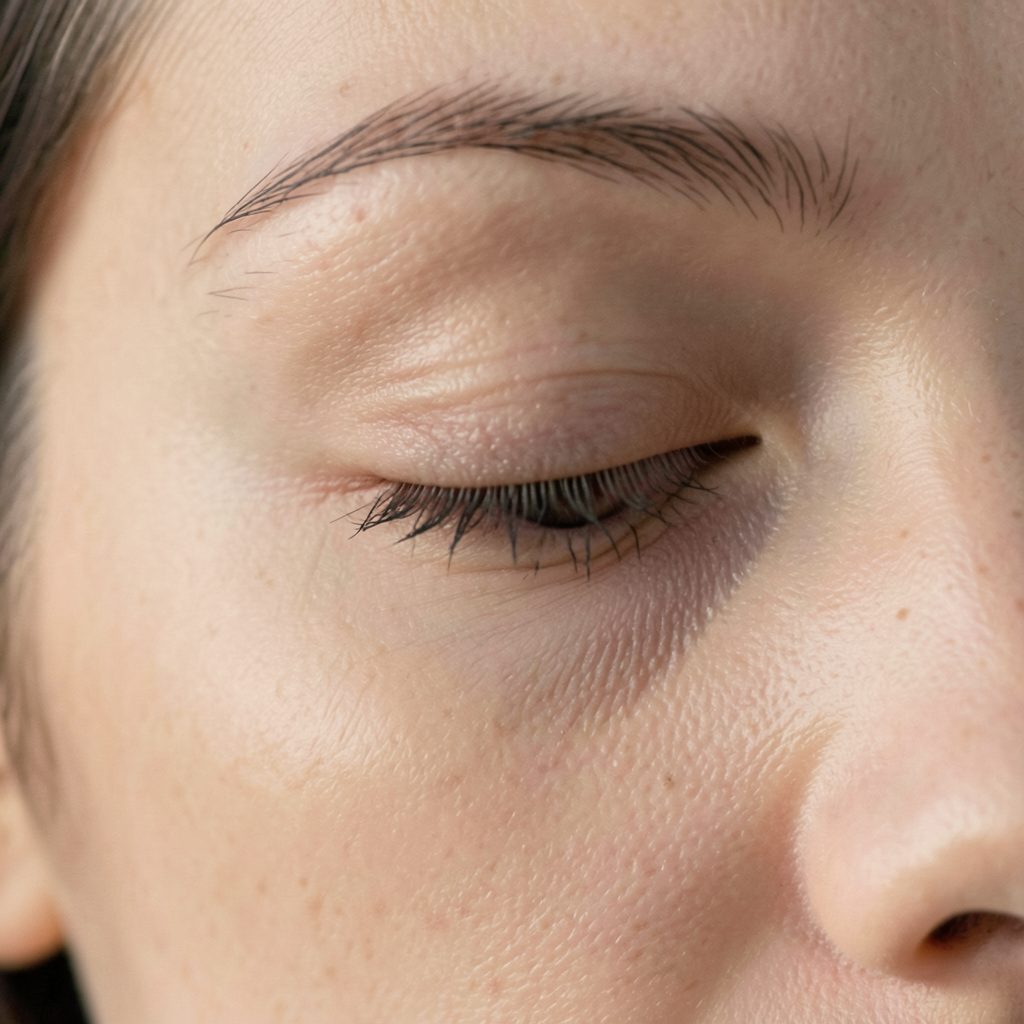
What Are Hooded Eyes?
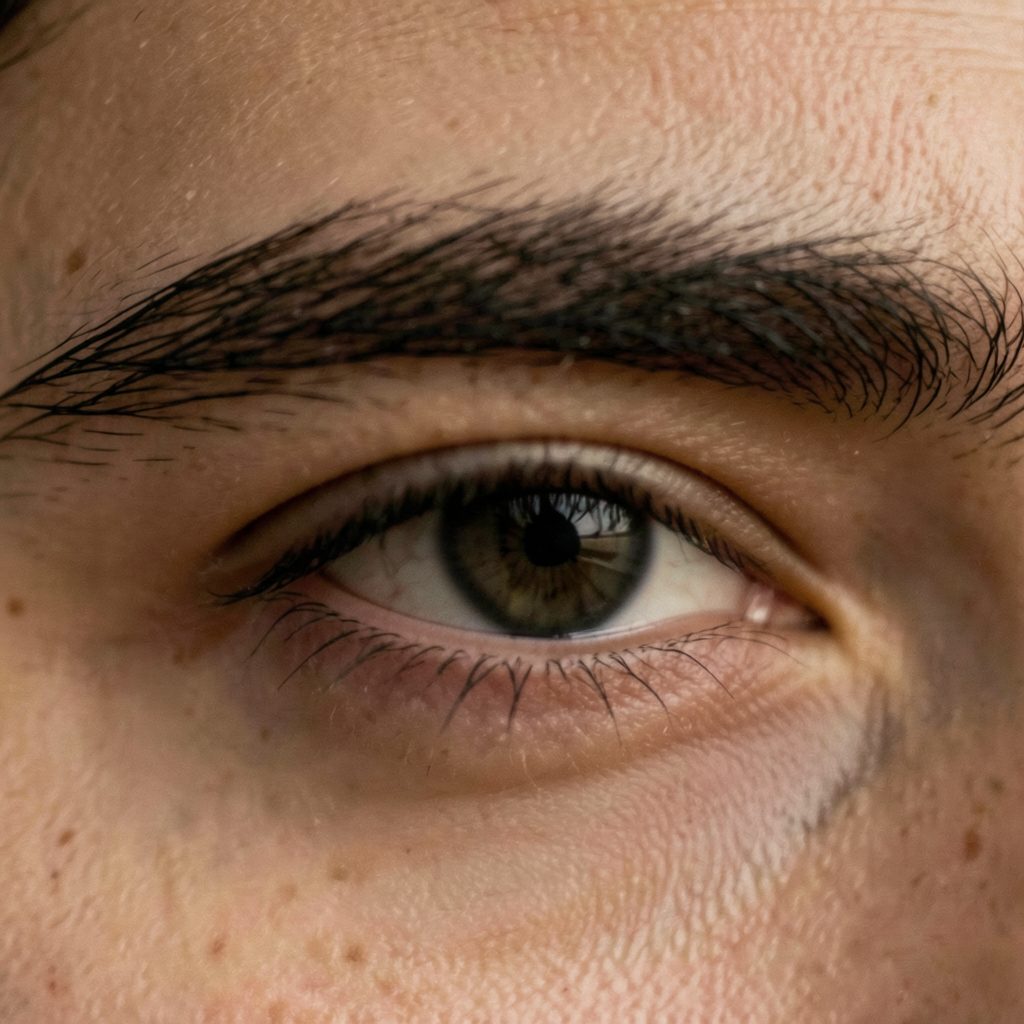
Hooded eyes are a natural eye shape where an excess piece of skin from the brow bone partially or completely covers the eyelid. The result can make eyes appear smaller or more tired than they feel.
This shape can be present from birth due to genetics, or it can develop over time. Known causes include aging, genetic traits, eye rubbing, body fatness, muscle structure, trauma, solar radiation, and sleep apnea.
Hooded eyes change the way almost every product behaves across the lid and brow bone, and few areas reveal this more clearly than the under-eye zone. When a fold of skin sits low over the mobile lid, concealer that would otherwise stay put tends to migrate downward, gather in the small hollow just above the lash line, and accentuate the very puffiness or shadow you were hoping to soften.
Dark circles in this eye shape often arrive in two layers at once: a brown or olive cast from pigmentation, and a bluish shadow thrown by the way the recessed area tucks beneath the brow. Choosing well among the eyeliner and base guides for hooded lids is one part of the answer; pairing that work with the right concealer is the other half.
The crease that defines a hooded eye doesn't stop at the lid — it pushes the under-eye area into a tighter curve than on a more open eye. Every blink pulls at the lower lid, and when the upper fold sits low, the skin has less slack to absorb the motion. Concealers that dry too matte can crack along this curve, while anything overly emollient slides into the fine lines and forms a creased ribbon by mid-afternoon.
Humidity shapes the result more than most people expect, especially across the eastern seaboard from Brisbane down to Sydney and around to Melbourne where summer days swing between air-conditioned offices and humid commutes. A formula that feels weightless in a dry winter office in Adelaide can feel slippery after a walk through the Royal Botanic Gardens on a hot January afternoon. A concealer that holds for twelve hours in a Sydney summer has genuinely earned that claim.
Sun exposure in Australia adds another layer. With UV levels regularly climbing past eleven in summer, the brown patches many hooded-eye readers describe tend to deepen year on year unless they are actively protected. A daily SPF around the orbital bone — applied with a light touch so it doesn't migrate into the concealer — pays off more than any one product can on its own.
Dark circles under hooded eyes are rarely one colour, and a single shade of concealer tends to flatten the whole area rather than letting the eye read as rested. The first step is to look at the discolouration in natural daylight — a window seat in a Melbourne café works as well as a bathroom mirror — and decide whether it leans more peach, more orange, or more violet.
Peach and salmon tones cancel the bluish shadow that sits in the hollow of the lower lid. Warm caramel shades, a fraction deeper than foundation, neutralise brown patches that pool near the outer corner where hooded lids often cast their own shadow over the eye. For deep-set circles, layering a thin peach correct under a slightly lighter concealer gives depth without the chalky finish that heavy coverage alone tends to leave behind.
Skin under the eye is also one of the thinnest on the face. A shade that looks right on the back of the hand will almost always read too light on the actual undereye. Dab along the inner corner where hooded eyes often show the deepest shadow, then step back about a hand-length from a mirror to see how the shade reads in full context. Australian beauty counters — from MECCA to the larger Sephora stores in CBDs — keep good lighting for exactly this kind of test.
Under-eye concealers fall into a few broad families, and each behaves differently on a hooded eye. Liquid concealers with a soft satin finish spread easily and look most natural, but they can crease where the lower lid tightens against a fuller upper fold. Cream concealers in a wand or pot deliver more pigment in a single pass, which helps when pigmentation runs deep, but they settle into fine lines if not pressed into place with a fingertip or a damp sponge.
Stick concealers are a quiet favourite for travel across Australia's long distances, since they don't dry out in a car the way some liquids can. The trade-off is that they tend to sit on the surface rather than melting in, so a thin layer pressed out with the ring finger usually gives a far better finish than dragging the stick straight across the skin.
A useful rule of thumb: a formula that disappears into the skin with light tapping is more forgiving under a hooded lid than one that needs a lot of blending effort. Blending itself generates friction and warmth, both of which can cause heavier formulas to move. Readers weighing texture against climate can compare fresh care guides that put these formulas side by side for humid versus dry Australian conditions.
Application matters as much as the tube you reach for. Less is more with hooded eyes, and a small pointed brush or the pad of the ring finger gives far more control than a thick doe-foot applicator dragging across a small area. Place three or four tiny dots from the inner corner outward, stopping just before the outer edge where most hooded eyes lose volume.
Press the product in rather than swiping. Tapping lets the pigment settle into the skin instead of being pushed into the crease just above the lash. Setting is also gentler with a hooded eye — a fluffy brush with the faintest dusting of translucent powder locks the concealer without leaving a chalky cast that emphasises the fold. Hold the brush a couple of centimetres from the skin and let the powder drift down rather than pressing it in.
Before walking out the door, look down into a mirror held at chest height. This mimics the way your eyes sit during a conversation and shows where any creasing is building — usually right along the line where the upper lid meets the lower.
A shortlist shaped by Australian pharmacy shelves, the climate across the major capitals, and the way hooded lids behave across a full day:
The right concealer is one part of a much wider picture, and hooded eyes tend to reward the slow, layered care that builds up over weeks. Restful sleep on a breathable pillow, gentle cold spoons in the morning, and short breaks away from screens during a long workday all shape how the skin looks long before any product touches it.
For Australians spending long hours on devices for work and leisure, the value of a real pause is easy to underestimate. During those small windows — between applications, between meetings, between the day winding down — even a quick scroll through something lighter, like this gaming piece, can be the small reset the eyes need before a long evening ahead.
Surgical Option
For those seeking a more lasting result, plastic surgery — including blepharoplasty — is covered as a treatment option for hooded eyes. Surgery addresses the excess skin directly and is considered an alternative to non-surgical approaches like Botox.
The site's surgery guide explains the procedure, what to expect, and how it compares to non-surgical routes, helping readers make informed decisions about their options.
Read the Surgery Guide →Famous Faces
Hooded eyes can enhance facial expressions and contribute to a distinctive, memorable look. These ten well-known figures all share the eye shape.
Jennifer Aniston
Leonardo DiCaprio
Solange Knowles
Taylor Swift
Michelle Williams
Robert Pattinson
Blake Lively
Selena Gomez
Gigi Hadid
Benicio del Toro
Side by Side
False Lash Guide
Varied length spikes create texture and the illusion of depth without weighing down the lid.
Longer outer-corner lashes draw the eye outward and upward, counteracting the hood effect.
A uniform, moderate length that adds definition without overwhelming a hooded lid.
Applied only to the outer half, these open up the eye shape and are easier to manage on hooded lids.
A strong upward curl (D or L curl) lifts lashes away from the hood, keeping them visible throughout the day.
The guide also covers lash curlers, mascara recommendations, and step-by-step instructions for fixing false lashes on hooded eyelids.
Full Lash Guide →Get in Touch
Whether you are just beginning your makeup journey or have been experimenting with different looks for years, we are glad you are here.
General Feedback
Share your thoughts on the site or suggest topics you'd like covered.
Looking for a Specific Tip?
Ask about a particular technique or eye-shape challenge.
Product Questions
Questions about products mentioned across the site.
Human Resources or Business Inquiries
Partnership, collaboration, or business-related correspondence.