01
Makeup Tips
Eyeshadow placement, blending techniques, and common mistakes to avoid for a more open, lifted look.
Explore →
Eye Shape Guide
Understand your eye shape, master makeup techniques, and explore every treatment option — from Botox brow lifts to surgical solutions.
Explore the Site
Eyeshadow placement, blending techniques, and common mistakes to avoid for a more open, lifted look.
Explore →Winged liner, smudge prevention, and techniques that work with hooded lids to make eyes appear larger.
Explore →Non-surgical Botox brow lifts and surgical options including blepharoplasty, explained clearly.
Explore →Five false lash styles suited to hooded eyes, plus curler and mascara guidance for maximum lift.
Explore →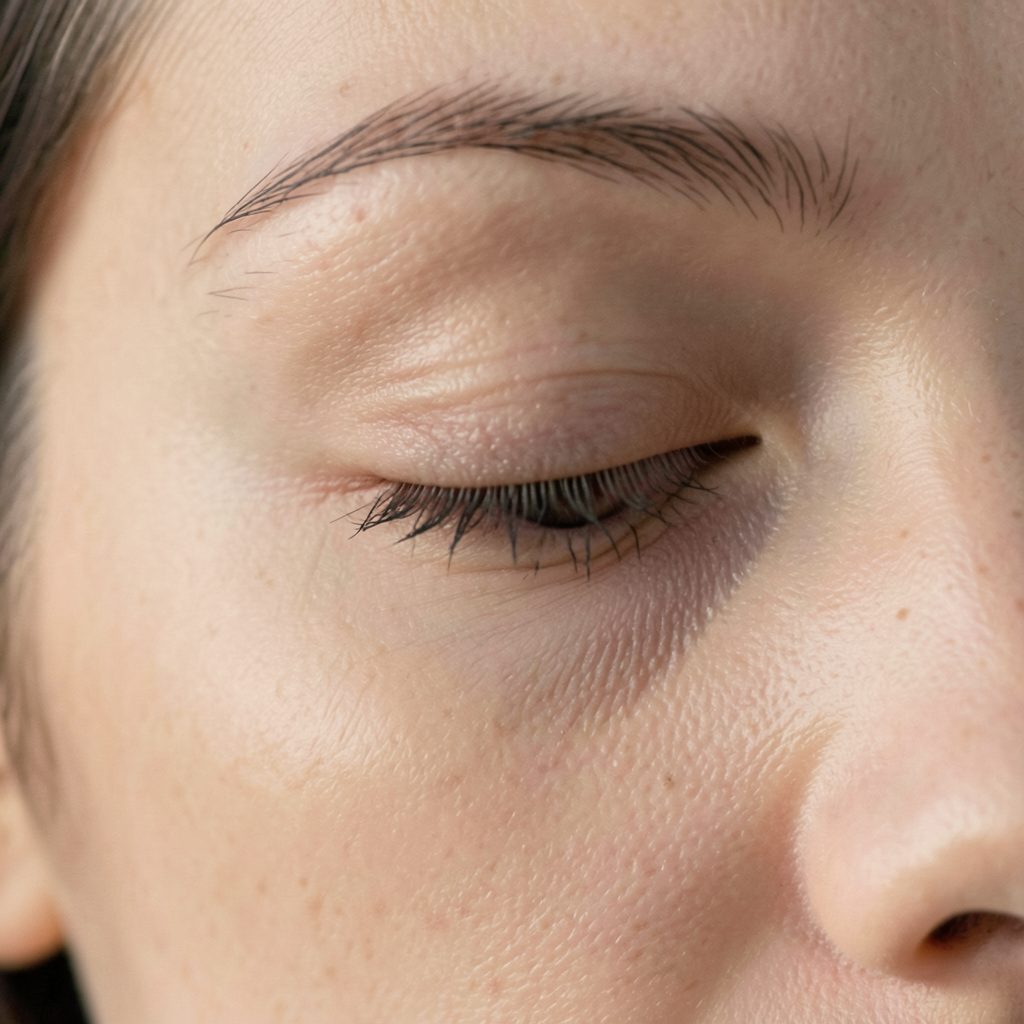
What Are Hooded Eyes?
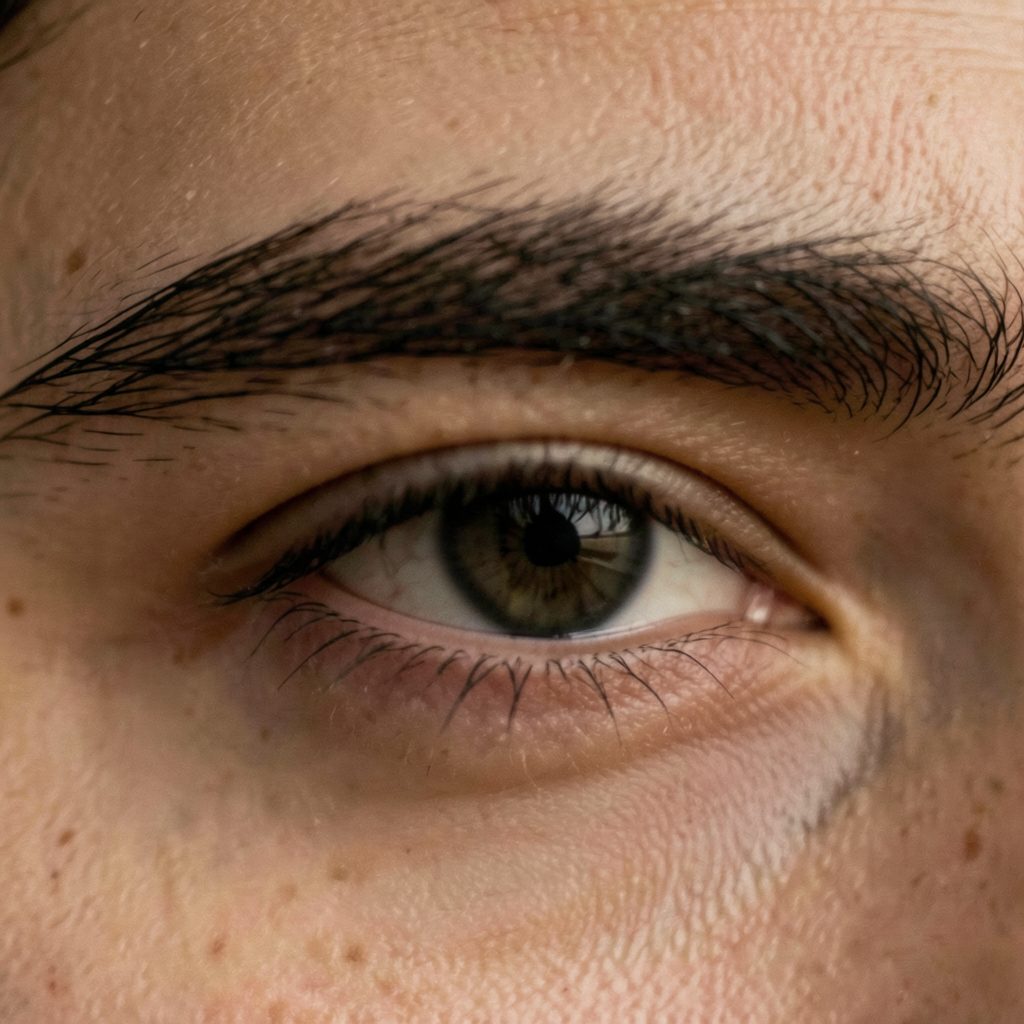
Hooded eyes are a natural eye shape where an excess piece of skin from the brow bone partially or completely covers the eyelid. The result can make eyes appear smaller or more tired than they feel.
This shape can be present from birth due to genetics, or it can develop over time. Known causes include aging, genetic traits, eye rubbing, body fatness, muscle structure, trauma, solar radiation, and sleep apnea.
A hooded eye has an upper-lid fold that covers part of the mobile eyelid and sometimes the outer corner of the lash line. That fold can make the eye seem smaller, deeper-set or slightly downturned, even when the eye itself is healthy. A well-designed brow arch creates balance above it, so the upper face looks more open without pretending that every lid has the same amount of visible space.
The right eyebrow stencil should support that balance. It acts as a temporary map for a soft arch, a controlled curve and a slightly lifted tail; it does not change the eyelid or generate new hair. When the shape follows your bone structure and natural growth, it makes hooded eyes look more defined. When it sits too high, too low or too dark, the same tool can create a harsh, frozen expression.
For a sound starting point, the hooded eyes guide explains how the lid fold interacts with brow placement. From there, compare stencil shapes, practise the technique with a pencil and judge the result in daylight, not only in a flattering bathroom mirror.
Visual lift comes from giving the eye a clear frame. With hooded eyes, a defined lower border to the brow can make the visible lid area appear more distinct, while a soft upward sweep towards the temple can balance a downturned outer corner. The effect is optical: the eyebrow does not physically raise the eyelid, but it changes how open and balanced the eye area looks.
The most flattering shape is usually a moderate arch with its peak towards the outer third of the brow. The tail should look clean and gently lifted rather than sharply raised. An excessively steep arch can appear startled, while a completely flat shape may make the upper face feel heavy. Angelina Jolie is often used as a hooded-eye reference, and her softly sculpted brow shows that definition does not require a dramatic peak.
Before comparing stencil shapes, examine your brows without makeup in a straight-on photograph. Look at their density, the direction of the hairs, the natural peak and the position of the tail. Brows that are very sparse, strongly asymmetrical or unusually low may need professional guidance before a template is applied. Brows with a clear natural arch are usually the easiest to map with a stencil. The hooded-eye makeup tips can also help you see how brow height and eyelid space work together.
Choose a template according to the result you want, not the size of its packaging. An open arch guide offers more control than a large, solid eyebrow window. If a template looks bulky around the inner brow, trim that portion carefully; the inner edge should remain soft and understated. Hair direction matters just as much as outline, so never force upward hair strokes onto brows that grow downwards.
Map your natural shape first. Use a removable pencil to mark the highest point of your brow, the outer tail and any area you want to soften. Check your expression in a neutral position, then photograph yourself from the front and at a slight angle. The stencil should echo this framework, adding a controlled lift rather than redesigning your entire face.
Set the stencil parallel to the plane of your face rather than tilting it towards the ceiling. Tilting changes the apparent angle of the arch. Hold it gently with one hand without stretching the skin above your eye or pulling the brow upwards. The guide should sit where the hair can genuinely follow it without excessive stretching.
With a waterproof brow pencil, draw several light, hair-like marks through the opening. Avoid outlining the entire stencil edge, which creates the telltale outline of a temporary shape. Remove the guide, connect sparse sections with short upward strokes and use a spoolie to blend the result. Check the shape from across the room and in natural light before adding more product.
You need very little equipment: a stencil, a waterproof and sharpenable pencil, fine angled brush, tinted brow pomade or brow pen, and a spoolie. A clear brow gel can control stray hairs in humid conditions. Choose a pencil that glides through the stencil without repeatedly catching on its edges, and use a brush slightly narrower than the space between your brows.
Shop through Australian beauty counters such as Mecca and Sephora in Sydney, Melbourne and Brisbane, or check an Australian retailer’s website. Compare the complete eyebrow opening, guide thickness and included tools rather than judging a template from a cropped social image. Prices are GST-inclusive and shown in Australian dollars, so compare delivery charges as well. A cardboard stencil may suit occasional use, while a well-finished reusable guide can be easier to align.
Hygiene matters because the brow area can become irritated after shaving or waxing. Use a clean stencil on clean, unbroken skin, and follow the manufacturer’s care instructions. Wash reusable guides with mild soap and dry them completely. Discard cardboard templates that become marked, damp or difficult to clean, and avoid sharing tools if you have an eye infection.
A clean brow shape gives every other product more room to work. Lightly conceal the skin immediately below the arch, but avoid a thick pale strip that creates a new outline. Apply eyeshadow to the visible lid rather than building a large dark area that disappears beneath the fold. Keep the crease soft, and blend any edge upward so it does not emphasise the hooded lid.
Eyewear also affects how an arch reads, especially if its colour or weight competes with the brow. Choose frames that leave the brow visible, and avoid a heavy straight fringe if your goal is an open, lifted eye area. Test the combination from the angle you normally use in photographs or at work, since an arch that looks balanced head-on may appear different in profile.
For eyeliner, compare the oil-proof eyeliner picks before committing to a formula that might smudge into the crease. A small flick following the lash line is often more visible than a long horizontal wing. Finish with lengthening mascara on the upper lashes, taking care not to sweep product into the fold. Humid summers in Brisbane and the Gold Coast make waterproof formulas and a clean mascara brush especially useful.
Cardboard, plastic and metal templates all establish a boundary, but they differ in flexibility, precision and maintenance. A flexible guide may be more forgiving of facial curves, while a metal guide can hold its shape more firmly. The best eyebrow stencil is the one that matches your brow density and gives you enough control without encouraging you to draw outside your natural hairline.
A stencil creates a temporary shape, whereas a brow razor or threading removes hair and a pencil-and-pomade method adds colour. Professionals can also tint brows or reshape them with more permanent procedures. Those services address hair and colour rather than the eyelid fold itself, so they do not guarantee a more open eye.
| Method | Best suited to | Control over the arch | Main limitation |
|---|---|---|---|
| Cardboard brow stencil | Occasional, inexpensive shaping | Adjustable by trimming | Tears easily and is difficult to sanitise |
| Flexible plastic stencil | Beginners and changing arch positions | Offers a repeatable, curved guide | Can bend or shift during use |
| Reusable metal stencil | Regular, precise shaping | Holds its shape firmly | May be too rigid for curved faces |
| Angled brush and pomade | Sparse areas and natural hair strokes | Follows the direction of individual hairs | Requires more skill and patience |
| Brow razor or threading | Removing stray hairs around a mapped shape | Supports a pencil-defined outline | Removes hair without changing the lid |
A stencil cannot provide a permanent brow lift. Botox may temporarily change the activity of muscles that affect brow position, while blepharoplasty is surgery involving the upper eyelid. Results and suitability vary, and potential risks include eyelid heaviness, asymmetry, scarring or dry eye. In Australia, verify a clinician’s registration with AHPRA, the Australian Health Practitioner Regulation Agency, and use a qualified plastic or oculoplastic surgeon for eyelid surgery.
Consistency matters more than having a complicated kit. A simple routine that matches your natural proportions will usually look better than a complicated stencil used without careful mapping.
Choose one stencil, test it with a pencil before committing to a full eye look, and keep the shape that looks like you on an ordinary day.
Surgical Option
For those seeking a more lasting result, plastic surgery — including blepharoplasty — is covered as a treatment option for hooded eyes. Surgery addresses the excess skin directly and is considered an alternative to non-surgical approaches like Botox.
The site's surgery guide explains the procedure, what to expect, and how it compares to non-surgical routes, helping readers make informed decisions about their options.
Read the Surgery Guide →Famous Faces
Hooded eyes can enhance facial expressions and contribute to a distinctive, memorable look. These ten well-known figures all share the eye shape.
Jennifer Aniston
Leonardo DiCaprio
Solange Knowles
Taylor Swift
Michelle Williams
Robert Pattinson
Blake Lively
Selena Gomez
Gigi Hadid
Benicio del Toro
Side by Side
False Lash Guide
Varied length spikes create texture and the illusion of depth without weighing down the lid.
Longer outer-corner lashes draw the eye outward and upward, counteracting the hood effect.
A uniform, moderate length that adds definition without overwhelming a hooded lid.
Applied only to the outer half, these open up the eye shape and are easier to manage on hooded lids.
A strong upward curl (D or L curl) lifts lashes away from the hood, keeping them visible throughout the day.
The guide also covers lash curlers, mascara recommendations, and step-by-step instructions for fixing false lashes on hooded eyelids.
Full Lash Guide →Get in Touch
Whether you are just beginning your makeup journey or have been experimenting with different looks for years, we are glad you are here.
General Feedback
Share your thoughts on the site or suggest topics you'd like covered.
Looking for a Specific Tip?
Ask about a particular technique or eye-shape challenge.
Product Questions
Questions about products mentioned across the site.
Human Resources or Business Inquiries
Partnership, collaboration, or business-related correspondence.