01
Makeup Tips
Eyeshadow placement, blending techniques, and common mistakes to avoid for a more open, lifted look.
Explore →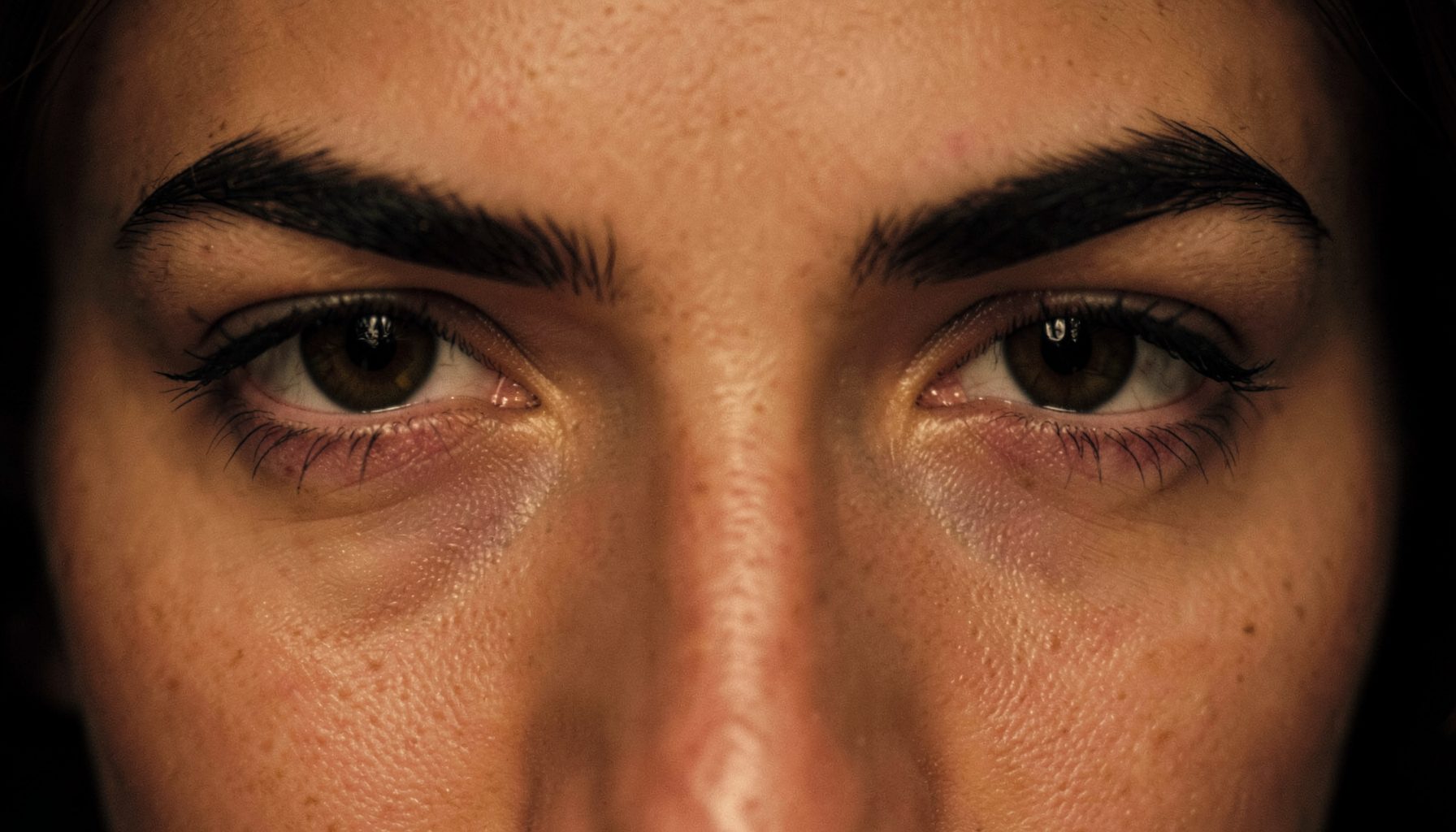
Eye Shape Guide
Understand your eye shape, master makeup techniques, and explore every treatment option — from Botox brow lifts to surgical solutions.
Explore the Site
Eyeshadow placement, blending techniques, and common mistakes to avoid for a more open, lifted look.
Explore →Winged liner, smudge prevention, and techniques that work with hooded lids to make eyes appear larger.
Explore →Non-surgical Botox brow lifts and surgical options including blepharoplasty, explained clearly.
Explore →Five false lash styles suited to hooded eyes, plus curler and mascara guidance for maximum lift.
Explore →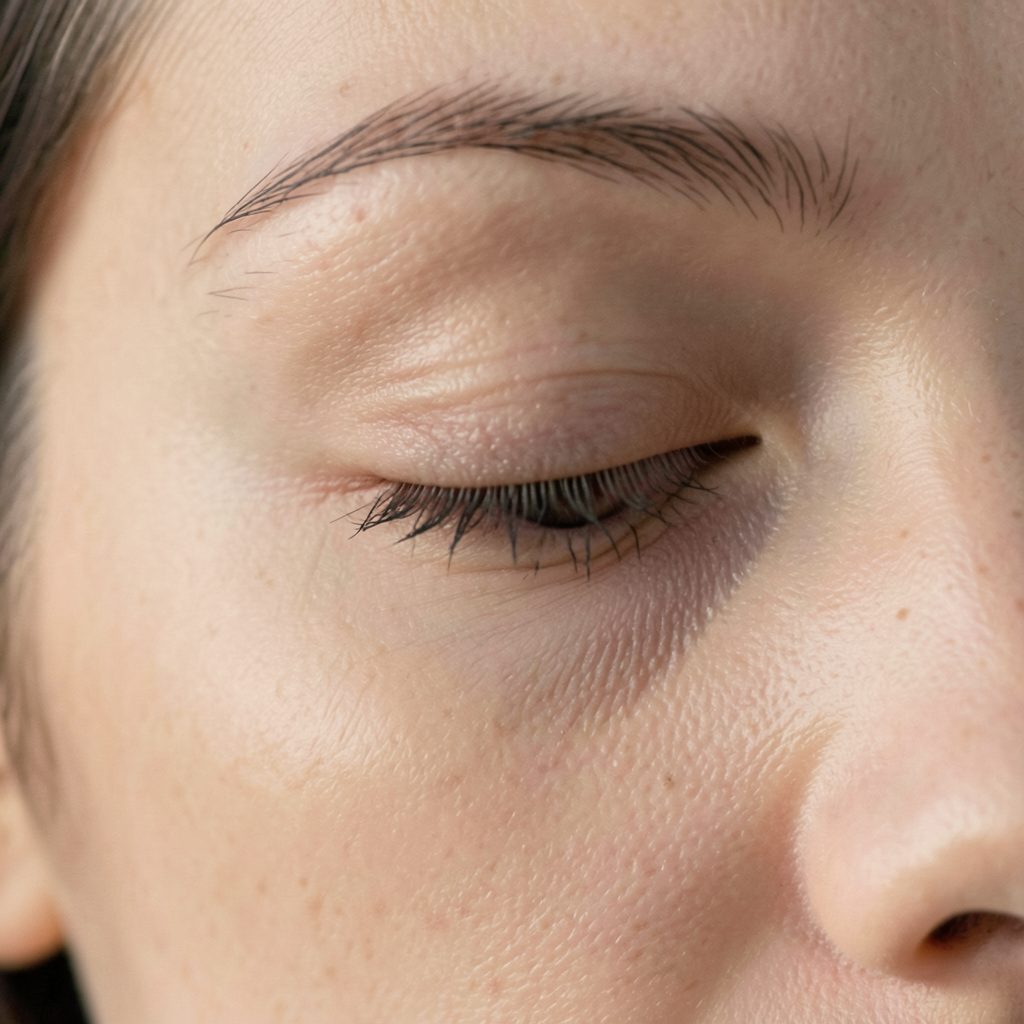
What Are Hooded Eyes?
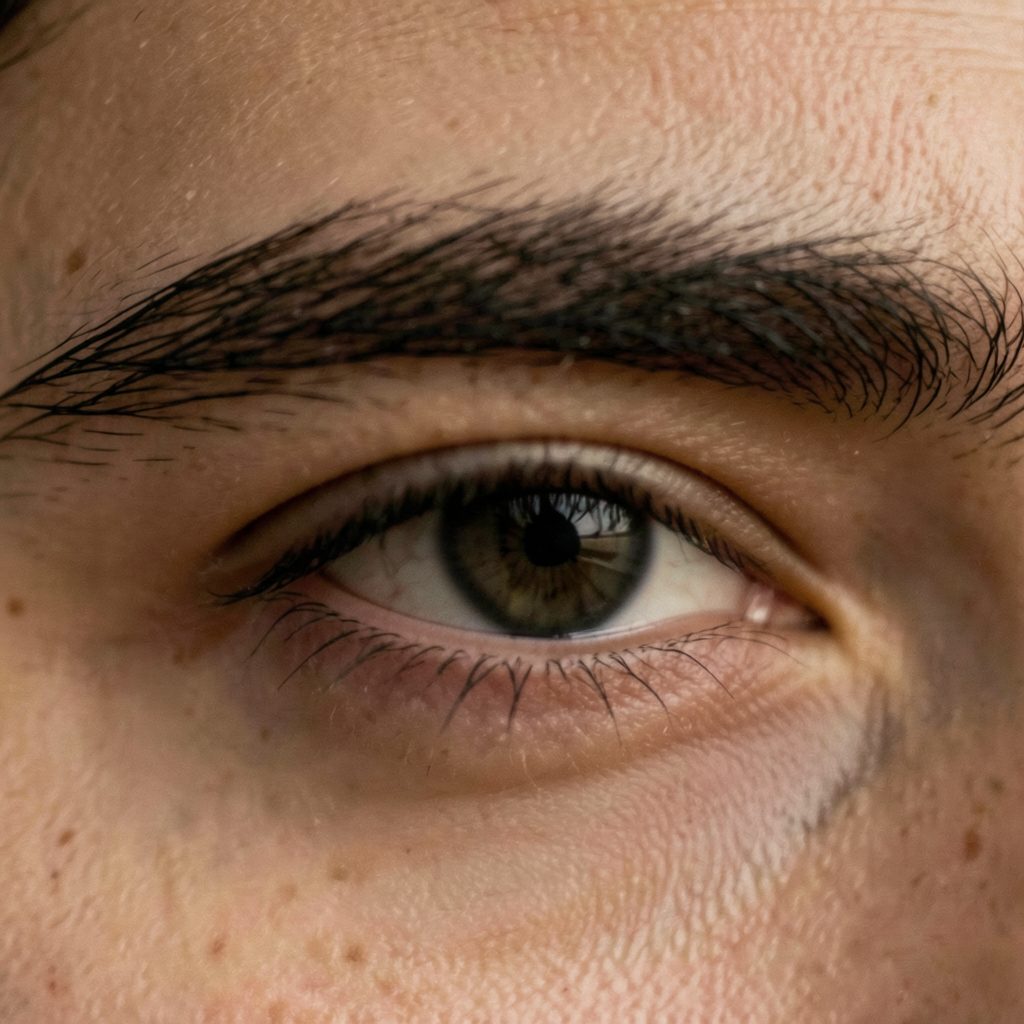
Hooded eyes are a natural eye shape where an excess piece of skin from the brow bone partially or completely covers the eyelid. The result can make eyes appear smaller or more tired than they feel.
This shape can be present from birth due to genetics, or it can develop over time. Known causes include aging, genetic traits, eye rubbing, body fatness, muscle structure, trauma, solar radiation, and sleep apnea.
Can hydrating eye creams reduce the appearance of hooded eyes? They may make the surrounding skin look smoother, fresher and less creased, but they cannot permanently lift an overhanging upper eyelid or change the underlying eye shape. Their effect is mainly cosmetic and temporary, especially when dryness, fine lines or morning puffiness make the hooded area look heavier.
Hooded eyes are a normal variation in eyelid anatomy. Some people have extra upper-lid skin, a lower brow position, a deep-set eye area or a combination of these features. A good moisturising routine can improve the skin’s texture and makeup application, while targeted techniques help the eyes look more open without trying to erase their natural structure.
The skin around the eyes is thin and loses moisture easily. When it becomes dehydrated, fine lines can look deeper, concealer may settle into creases and eyeshadow can appear patchy. A well-formulated eye moisturiser can temporarily plump the outermost layer of the skin, making the upper lid and brow area look more even.
Humectants such as glycerine and hyaluronic acid attract water to the skin. Emollients smooth rough patches, while occlusive ingredients help reduce moisture loss. This can soften the visual contrast between the eyelid fold and the brow bone, particularly when the hooded appearance is being exaggerated by flaky or tight skin.
Hydration cannot remove excess eyelid skin, reposition the brow or tighten lax tissue in a lasting way. A cream will not produce the same structural change as a brow lift or blepharoplasty. Products that promise to “lift” the eyelids usually refer to a short-term smoothing or tightening sensation rather than a medical correction.
If you are learning how your eyes are shaped, a detailed hooded eye guide can help distinguish hooded lids from deep-set, monolid or downturned eye features. This matters because makeup placement and realistic skincare expectations vary between these shapes.
Hooded eyes can appear more pronounced after a poor night’s sleep, a salty meal, seasonal allergies or prolonged screen use. Fluid may collect around the eyelids, creating temporary swelling that sits over the crease. Rubbing the eyes can increase irritation and make the skin look puffy and red.
Australian conditions can contribute to this effect. Air conditioning in offices, long drives and heated rooms can dry the skin, while strong sun exposure can accelerate fine lines around the eyes. In dry areas such as Adelaide or inland New South Wales, low humidity may leave the eyelids feeling tight. In Darwin or coastal Queensland, heat and humidity can make rich creams feel heavy and increase sweating.
Ageing also changes the appearance of the upper eye area. Collagen and elastin gradually decline, and the brow may sit slightly lower over time. These changes can make an existing hood look more prominent, even when the eyelid itself has not changed dramatically.
Persistent swelling, a sudden difference between the eyes, pain, visual disturbance or a drooping eyelid should be assessed by a qualified health professional. These signs are different from ordinary hooded anatomy or mild cosmetic puffiness.
The best eye cream for hooded eyes is usually a gentle moisturiser that supports the skin barrier rather than an aggressive formula. The eye area is easily irritated, so applying a face product sparingly may be more suitable than layering several active products close to the lash line.
Useful ingredients include:
Caffeine can make the eye area appear less swollen for some people, but it does not lift eyelid tissue. Peptides may support a smoother appearance, although results are gradual and vary between products. Retinoids can help fine lines, yet the eyelid skin is especially sensitive and should only be used according to the product directions or advice from a dermatologist.
Fragrance, essential oils and strong exfoliating acids can trigger stinging or dermatitis. A product marketed as “natural” is not automatically safer near the eyes. Patch testing on another area of skin is sensible, and the formula should be kept out of the eye itself.
Use sunscreen around the orbital area if the product is suitable for it, while avoiding direct contact with the eyes. In Australia, broad-spectrum SPF 50+ is widely available through pharmacies, supermarkets and retailers such as Chemist Warehouse and Priceline. Sunglasses and a broad-brimmed hat are valuable additions during high-UV days, especially in summer.
A simple routine is more useful than applying a thick layer of several products. In the morning, cleanse gently if needed, apply a small amount of moisturiser around the orbital bone and finish with sunscreen. Avoid dragging the skin across the lid, and allow products to settle before applying concealer or eyeshadow.
At night, remove eye makeup without scrubbing. A fragrance-free cleanser or micellar product can loosen mascara, but it should be rinsed if it leaves a film that irritates your skin. Press a rice-grain-sized amount of eye cream around each eye rather than placing it directly on the waterline.
A practical routine can look like this:
Bushfire smoke, dust and airborne particles can aggravate watery or itchy eyes. During those periods, keep the routine bland and avoid experimenting with several new products at once. Artificial tears may help some forms of dryness, but persistent irritation should be discussed with an optometrist or doctor.
Sleeping with the head slightly elevated may reduce morning fluid retention for some people. A cool, clean compress can also feel soothing. Ice should not be placed directly on the skin, and vigorous massage is best avoided because it can worsen irritation or contribute to broken capillaries.
Hydrated skin creates a smoother base, but too much cream can make hooded lids slippery. Wait a few minutes after skincare, then gently press away excess product before applying primer. This helps eyeshadow grip without removing all the moisture that keeps the skin comfortable.
For many hooded eyes, placing transition colour slightly above the natural crease makes the lid space more visible when the eyes are open. Soft matte shades tend to define the area without reflecting light onto the fold. Shimmer can be placed on the mobile lid, but a very reflective formula may transfer to the hood.
Eyeliner is often more effective when it is thin at the inner corner and slightly thicker towards the outer edge. A wing that extends outward rather than sharply upward can preserve lid space. Waterproof or tubing mascara may reduce smudging where the lashes touch the upper hood, although tubing formulas should still be removed gently.
Helpful techniques include:
Makeup should work with the eye’s natural fold rather than forcing a dramatic cut crease that disappears when the eyes are open. A professional makeup artist familiar with hooded eyes can demonstrate placement for weddings, performances or everyday wear. This can be especially useful before a summer event when heat and humidity may affect wear time.
If the hooded appearance is caused mainly by excess skin, brow position or changes in the upper eyelid structure, moisturiser will have limited impact. Some people explore a Botox brow lift, which uses carefully placed injections to relax selected muscles and create a modest brow elevation. Results are temporary, and the technique is not suitable for everyone.
Botulinum toxin can also produce an unwanted heavy brow or eyelid if the placement, dose or individual anatomy is unsuitable. It should be performed by an appropriately qualified, registered practitioner who can explain expected results, side effects and alternatives. In Australia, check the practitioner’s registration through AHPRA and be cautious with bargain appointments or treatments promoted mainly through social media.
Upper blepharoplasty removes or reshapes excess eyelid skin and, in some cases, underlying fat. It is a surgical procedure rather than a beauty treatment, so consultation, recovery time and potential complications need careful consideration. Risks can include asymmetry, scarring, dry eyes, difficulty closing the eyes, infection, bleeding and unsatisfactory cosmetic results.
Before considering surgery, ask how the procedure may affect the brow, eyelid crease and eye comfort. Follow the surgeon’s preparation and aftercare instructions closely, including guidance about medicines, smoking, sun exposure and makeup during recovery. A second opinion can be worthwhile if the proposed change is significant or if functional symptoms are involved.
For many people, the most realistic approach combines barrier-friendly skincare, sun protection, flattering makeup and acceptance of the natural hood. Hydration can improve the surface appearance and make the area easier to work with, but it should be viewed as supportive care rather than a lifting treatment.
Choose a gentle eye moisturiser, introduce one new product at a time and observe how your skin responds over several weeks. Pair it with careful makeup placement and professional medical advice if your eyelids are affecting vision, comfort or confidence. Explore reliable guidance on hooded-eye care and techniques to build a routine that suits your features, climate and everyday life.
Surgical Option
For those seeking a more lasting result, plastic surgery — including blepharoplasty — is covered as a treatment option for hooded eyes. Surgery addresses the excess skin directly and is considered an alternative to non-surgical approaches like Botox.
The site's surgery guide explains the procedure, what to expect, and how it compares to non-surgical routes, helping readers make informed decisions about their options.
Read the Surgery Guide →Famous Faces
Hooded eyes can enhance facial expressions and contribute to a distinctive, memorable look. These ten well-known figures all share the eye shape.
Jennifer Aniston
Leonardo DiCaprio
Solange Knowles
Taylor Swift
Michelle Williams
Robert Pattinson
Blake Lively
Selena Gomez
Gigi Hadid
Benicio del Toro
Side by Side
False Lash Guide
Varied length spikes create texture and the illusion of depth without weighing down the lid.
Longer outer-corner lashes draw the eye outward and upward, counteracting the hood effect.
A uniform, moderate length that adds definition without overwhelming a hooded lid.
Applied only to the outer half, these open up the eye shape and are easier to manage on hooded lids.
A strong upward curl (D or L curl) lifts lashes away from the hood, keeping them visible throughout the day.
The guide also covers lash curlers, mascara recommendations, and step-by-step instructions for fixing false lashes on hooded eyelids.
Full Lash Guide →Get in Touch
Whether you are just beginning your makeup journey or have been experimenting with different looks for years, we are glad you are here.
General Feedback
Share your thoughts on the site or suggest topics you'd like covered.
Looking for a Specific Tip?
Ask about a particular technique or eye-shape challenge.
Product Questions
Questions about products mentioned across the site.
Human Resources or Business Inquiries
Partnership, collaboration, or business-related correspondence.